Source Modular Under Floorbox With Usb Socket for Offices, Labs, Hospitals
Find and compare 22 modular under floorbox with usb socket options from verified Chinese manufacturers. Evaluate specifications like USB 2.0/3.0 interfaces, grounding types, and certifications including CE, RoHS, and CCC to select the right solution for commercial, industrial, and residential applications.
Key considerations
Products List


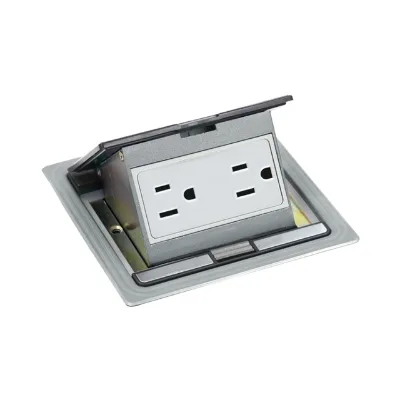
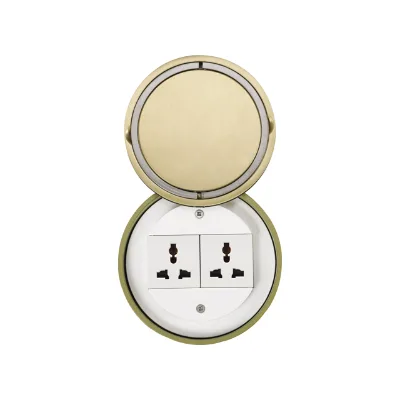


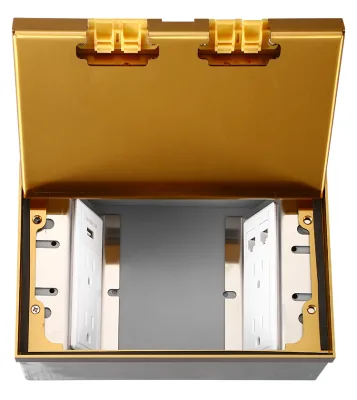
Comprehensive Sourcing Guide
Modular Under Floorbox with USB Socket Sourcing Guide
Sourcing modular under floorboxes with integrated USB sockets requires a careful balance between electrical safety, physical durability, and aesthetic integration into modern commercial and residential environments. These units serve as critical interface points for power and data in spaces where traditional wall outlets are impractical or visually disruptive, such as conference rooms, open-plan offices, and high-traffic retail areas. The procurement process must prioritize components that can withstand frequent use while maintaining strict adherence to electrical codes and safety standards. Buyers must navigate a market where product specifications vary significantly, necessitating a disciplined approach to verification and qualification.
The decision to source these specialized floorboxes involves evaluating not just the physical housing but also the internal modular architecture that allows for customization. Suppliers often offer a range of module types, including standard power sockets, data ports, and USB charging interfaces, which must be compatible with the floorbox frame. This modularity allows for future-proofing, enabling facilities to upgrade connectivity options without replacing the entire floor unit. Consequently, the sourcing strategy must focus on identifying suppliers who provide robust, interoperable systems rather than isolated components, ensuring long-term reliability and ease of maintenance.
Product Scope and Observed Listing Signals
The current market landscape for modular under floorboxes reveals a diverse array of products with varying physical dimensions, materials, and electrical ratings. Observed listings indicate a price range from approximately $0.18 to $56.64 USD, reflecting significant variation in quality, certification levels, and included features. Minimum order quantities (MOQs) typically range from 5 to 3,000 units, suggesting that suppliers cater to both small-scale renovation projects and large-scale industrial installations. Buyers should interpret these signals as indicators of market segmentation, where lower-priced items may lack comprehensive certifications or durable materials, while higher-priced options often include advanced safety features and certified components.
Product attributes observed in listings highlight key differentiators such as grounding type, installation method, and material composition. For instance, some units are specified as non-grounding, while others offer standard grounding, a critical distinction for safety compliance in different regions. Materials commonly cited include ABS plastic and PC (polycarbonate) combined with brass contacts, each offering distinct advantages in terms of impact resistance and conductivity. Additionally, the presence of customization options allows buyers to tailor the floorboxes to specific architectural requirements, such as flush or raised installation profiles. Understanding these observed signals helps buyers filter out irrelevant listings and focus on products that align with their specific project needs.
Technical Specifications to Verify
Verifying technical specifications is paramount to ensuring that the selected modular under floorboxes meet the functional demands of the installation environment. Key parameters to confirm include the rated voltage and current, which typically range from 110V to 250V and 10-25A respectively, depending on the modular configuration. Buyers must ensure that the USB modules integrated into the floorboxes are compatible with the power supply and do not exceed the overall current capacity of the unit. Additionally, the operating temperature range, often specified between -40°C and +75°C, should be verified to ensure performance stability in varying environmental conditions, particularly in industrial or unconditioned spaces.
Physical dimensions and interface sizes are also critical technical factors that influence installation feasibility. Standard interface sizes, such as 23x36mm or 50x50mm, must be matched with the corresponding floorbox frames to ensure proper fit and secure mounting. The type of socket or module, whether it is a standard 86-type or a specialized USB interface, must be compatible with the available space within the floorbox. Furthermore, buyers should verify the insertion and return loss values for any data-integrated modules, ensuring that signal integrity is maintained. These technical details must be explicitly confirmed with the supplier to avoid mismatches during installation.
Compliance and Safety Documentation
Compliance with regional and international safety standards is non-negotiable when sourcing electrical components like modular under floorboxes. Buyers must request and verify certificates such as CCC, CE, RoHS, and ISO, which indicate adherence to specific safety, environmental, and quality management standards. The presence of these certifications ensures that the products have undergone rigorous testing for electrical safety, material toxicity, and manufacturing consistency. It is essential to confirm that the certifications are valid and applicable to the specific product models being purchased, as some suppliers may list certifications that do not cover all variants in their catalog.
In addition to product-level certifications, buyers should inquire about company-level quality management certifications, such as ISO 9001 and ISO 14001, which reflect the supplier’s commitment to consistent quality and environmental responsibility. Documentation from recognized testing bodies, such as TUV, adds an extra layer of credibility to the safety claims. Buyers must ensure that the safety documentation includes detailed test reports for critical parameters like insulation resistance, dielectric strength, and temperature rise under load. This documentation is crucial for passing inspections and ensuring the long-term safety of the installed systems.
Cost Drivers and Commercial Terms
Understanding the cost drivers behind modular under floorboxes helps buyers make informed budgeting decisions and negotiate favorable commercial terms. The primary cost factors include the material quality, such as the use of high-grade PC and brass versus cheaper alternatives, and the level of certification and testing performed by the manufacturer. Complex features, such as integrated USB modules with specific charging protocols or advanced sealing mechanisms for dust and water resistance, also contribute to higher costs. Buyers should analyze the price-to-feature ratio to determine the most cost-effective solution for their specific application, avoiding over-specification where it is not required.
Commercial terms, including MOQs and payment conditions, significantly impact the total cost of ownership. Suppliers with lower MOQs may charge higher unit prices, while bulk orders often benefit from volume discounts. Buyers should negotiate clear terms regarding packaging, shipping, and lead times to avoid hidden costs. The observed MOQ range of 5 to 3,000 units suggests flexibility, allowing buyers to start with smaller orders for pilot projects before scaling up. It is advisable to clarify any additional fees for customization or special packaging, as these can add up quickly in large procurement projects.
Supplier Qualification and Quality Control
Supplier qualification is a critical step in mitigating procurement risks associated with modular under floorboxes. Buyers should conduct thorough due diligence on potential suppliers, verifying their manufacturing capabilities, quality control processes, and track record in the industry. This includes assessing their ability to provide consistent product quality and adhere to agreed-upon specifications. Suppliers with established quality management systems and relevant certifications are more likely to deliver products that meet safety and performance standards. Buyers should also evaluate the supplier’s responsiveness and technical support capabilities, as these factors are crucial for resolving issues during the procurement and installation phases.
Quality control measures implemented by the supplier should be clearly defined and agreed upon before placing orders. This includes pre-production samples, in-process inspections, and final random inspections before shipment. Buyers should specify acceptance criteria for critical attributes such as dimensional accuracy, electrical performance, and material composition. Implementing a robust quality control plan helps ensure that the delivered products meet the required standards and reduces the risk of defects or failures in the field. Regular communication with the supplier regarding quality expectations and feedback is essential for maintaining high standards throughout the procurement process.
Long-Term Procurement Checks
Long-term procurement success depends on establishing ongoing checks and balances to ensure sustained product quality and supplier performance. Buyers should implement periodic audits or reviews of the supplier’s quality management systems and production processes to identify potential issues early. This includes monitoring any changes in materials, components, or manufacturing practices that could affect product performance or compliance. Regular feedback loops with the end-users or installation teams can provide valuable insights into the real-world performance of the floorboxes, highlighting any durability or usability concerns.
Additionally, buyers should maintain a comprehensive record of all certifications, test reports, and compliance documents for each batch of products received. This documentation is essential for future audits, warranty claims, and regulatory compliance. Establishing a clear process for handling non-conforming products, including returns, replacements, and root cause analysis, is crucial for maintaining supply chain integrity. By proactively managing these long-term checks, buyers can ensure that their modular under floorbox installations remain safe, reliable, and compliant with evolving standards and requirements.
FAQs
What certifications do these modular under floorbox with usb socket units have?
These units carry CCC, CE, RoHS, and ISO certifications. Some models also include ETL certification. The specific certifications depend on the product model and condition, ensuring compliance for commercial and industrial applications.
Can I find customized modular under floorbox with usb socket options?
Yes, customization is available for these products. Buyers can request specific configurations to meet unique project needs. This flexibility supports diverse applications ranging from residential general-purpose use to laboratory environments.
Which materials are used for the modular under floorbox with usb socket frames?
Frames are constructed from ABS or PC plus brass materials. These durable materials ensure longevity and safety in various environments. The choice of material supports the rated voltage and current requirements for different installation scenarios.
How is the modular under floorbox with usb socket installed?
Installation is designed for floor mounting. The units feature a flat type frame suitable for raised system floor boxes. This method ensures secure placement in commercial, industrial, and hospital settings without requiring complex wiring modifications.
What is the operating temperature range for these units?
The operating temperature range spans from -40°C to +75°C. Storage temperatures can extend up to +85°C. This wide range ensures reliable performance in diverse environmental conditions while maintaining safety standards for general-purpose use.
Which voltage ratings apply to the modular under floorbox with usb socket?
Rated voltage ranges from 110V to 250V or 110~240V depending on the model. These units support AC current at 50Hz to 60Hz frequencies. The specific rating depends on the modular configuration selected for the application.